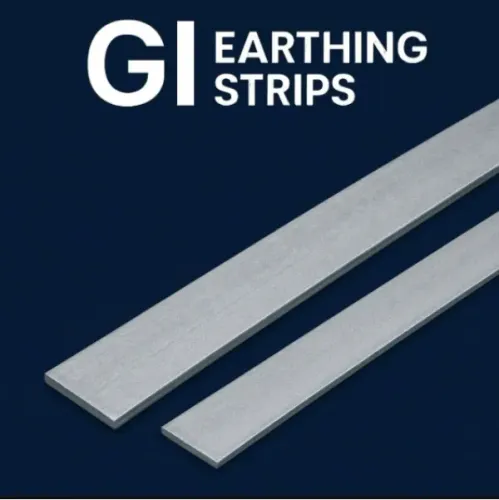
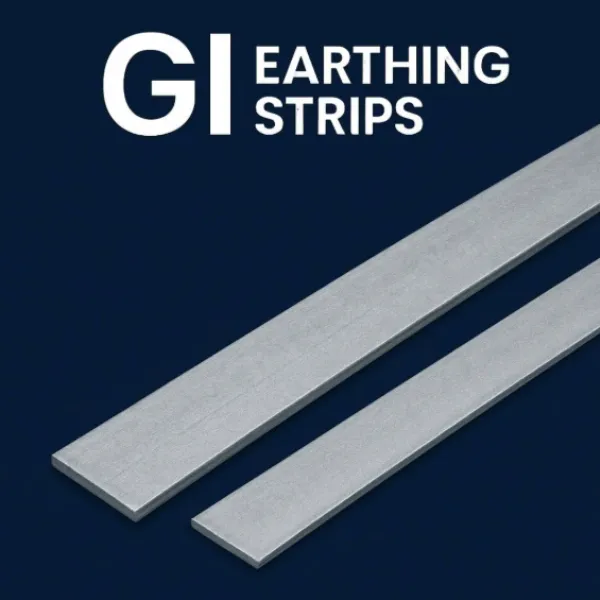
Earthing strips create a low-resistance path between electrical equipment, earthing electrodes and the main grounding network. They are commonly used in factories, substations, commercial buildings, solar plants, warehouses and infrastructure projects. Selecting a dependable earthing strips manufacturer in Pune requires careful attention to strip material, dimensions, fault-current capacity and installation conditions.
An earthing strip must safely carry fault current without overheating or suffering premature deterioration. Choosing an undersized strip may reduce system reliability, while selecting one without considering corrosion can increase maintenance requirements.
Factors That Determine Strip Selection
- Fault-current level: The strip should have sufficient cross-sectional area to carry the expected current for the required duration.
- Installation environment: Indoor, outdoor, underground and chemically exposed locations require different corrosion-protection measures.
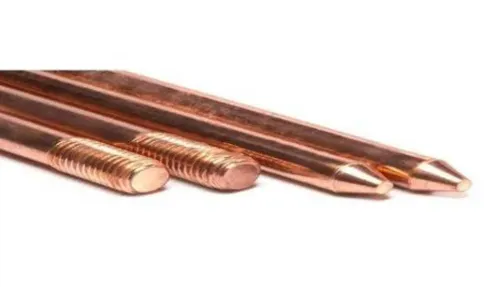
- Conductor material: Copper, GI and other approved materials offer different levels of conductivity, durability and cost.
- Route length: Longer earthing routes may require careful sizing to control impedance and maintain continuity.
GI earthing strips are commonly used in industrial and commercial projects because they provide a practical combination of strength, availability and corrosion protection. Copper strips provide higher conductivity and may be preferred for sensitive electrical systems or projects with specific design requirements.
The dimensions should always follow the approved earthing design. Width alone does not indicate capacity because thickness also affects strength and current-carrying capability. Buyers should confirm both measurements instead of relying on a general description such as heavy strip.
Joint quality is another important consideration. Loose, poorly aligned or corroded connections can introduce resistance into an otherwise correctly designed system. The installation method should maintain continuous electrical contact across bends, joints and equipment connections.
Common Selection and Installation Mistakes
- Ordering strips without confirming width, thickness, base material and protective coating
- Mixing incompatible metals without suitable connectors or corrosion-prevention measures
- Using excessive joints where a continuous strip could provide better reliability
- Installing strips in inaccessible areas where inspection and maintenance become difficult
Pune’s manufacturing and commercial facilities operate under varied conditions. Earthing strips installed near production machinery may face vibration, moisture or chemical exposure, while strips in commercial buildings may follow concealed or restricted routes. Each environment requires a suitable specification.
Electrotech Industries manufactures earthing strips for electrical, industrial and infrastructure applications in Pune and across Maharashtra. Requirements can be produced according to project drawings, material preferences and dimensional specifications.
Before procurement, review the fault-current calculations, route drawing and environmental conditions with Electrotech Industries. This helps ensure that the supplied earthing strip supports both immediate electrical safety and long-term maintenance needs.
Keywords