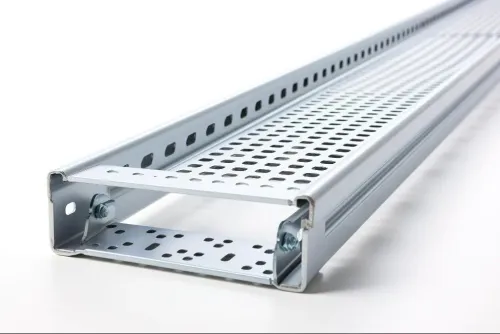
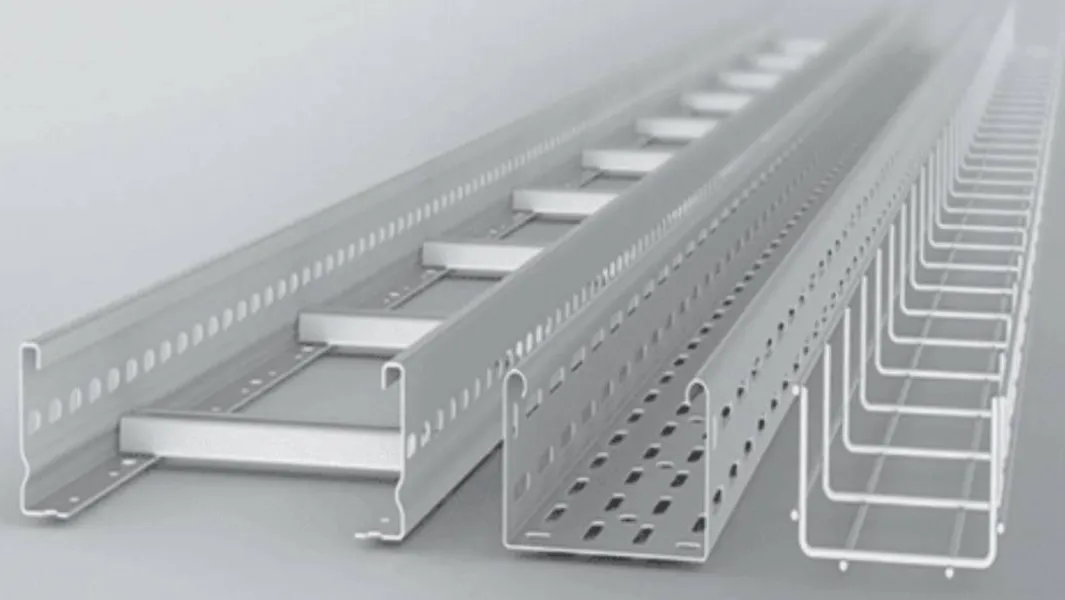
Standard cable tray dimensions can meet many electrical installations, but industrial projects do not always follow standard routes. Equipment layouts, structural constraints, service congestion, cable quantities, and project-specific specifications can create requirements that need additional manufacturing coordination.
For project teams searching for a Cable Tray Manufacturer in Shikrapur, recognising when standard products may not fully suit the installation can prevent site modifications later.
Complex Routes May Need Project-Specific Components
Industrial buildings often contain machinery, ducts, pipelines, structural members, and utility services competing for available space.
Cable trays may need to:
- Change direction
- Rise or drop between levels
- Branch toward equipment
- Transition between widths
- Pass around obstructions
- Connect different cable routes
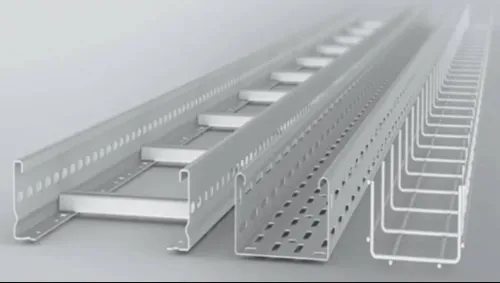
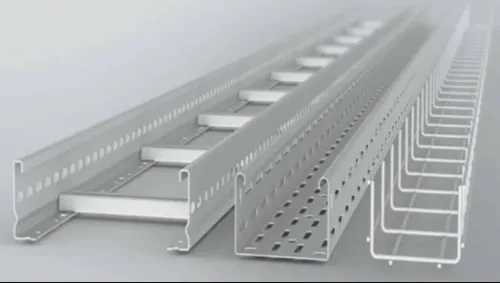
Bends, tees, reducers, and vertical transitions can therefore be as important as the straight tray sections.
Unusual Dimensions Should Be Identified Early
Where a project calls for specific tray widths, side heights, material thicknesses, or other dimensional requirements, these details should be communicated before ordering.
Making uncontrolled alterations at the installation site can create inconsistencies and additional work. Properly defined requirements allow fabrication to be coordinated before material reaches the project.
Drawings Become Especially Valuable
A written description may not fully communicate a complex route.
Fabrication or project drawings can help clarify dimensions, orientation, transitions, and quantities. Engineering and installation teams should review these details before manufacturing where project-specific components are involved.
Avoid Unnecessary Customisation
Custom fabrication should solve a genuine project requirement rather than complicate a route that could use standard components.
Standardisation can make procurement, replacement, installation, and future expansion easier. Project-specific fabrication is most useful where the layout or specification genuinely demands it.
What to Provide a Manufacturer
A clear enquiry should include:
- Cable tray type
- Required dimensions
- Material and finish
- Quantity
- Accessory requirements
- Drawings for non-standard components
- Installation environment
- Required project schedule
Electrotech Industries works with cable tray requirements serving industrial projects around Pune and Maharashtra, including growing industrial areas such as Shikrapur.
A project is generally ready for meaningful manufacturer evaluation when the electrical route is substantially defined, tray sizes have been identified, materials are specified, and accessory requirements can be estimated.
This preparation reduces ambiguity and helps buyers obtain quotations based on the actual project scope rather than incomplete assumptions.
Keywords