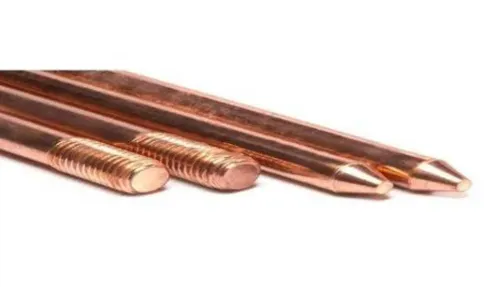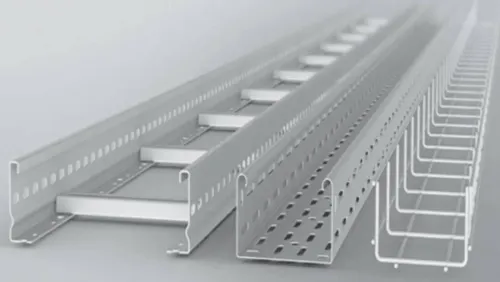

Earthing strips create conductive paths within an earthing network and are widely used across industrial plants, commercial facilities, electrical rooms, infrastructure projects, and other installations. Their dimensions, material, routing, joints, and connections need to match the electrical design.
When comparing an Earthing Strips Manufacturer in Pune, buyers should therefore focus on the complete technical requirement rather than selecting strips only according to unit cost.
Start With the Approved Earthing Design
The earthing layout should determine where strips are required, how they will be routed, and what dimensions and materials are specified.
Depending on the project, strips may form part of connections involving equipment, panels, structures, earthing electrodes, and broader grounding networks.
The exact arrangement should be established by the project's electrical design.
Check Material and Dimensions
Important procurement information normally includes strip width, thickness, material, length or total quantity, and any specified surface requirements.
These details matter because changing dimensions or materials without engineering approval can alter the intended electrical characteristics and project compliance.
Procurement teams should therefore work from approved schedules wherever possible.
Pay Attention to Connections
An earthing network is only as useful as its complete installation.
Connection points, joints, bends, interfaces with electrodes, and terminations need appropriate attention during design and execution. The project specification should define the suitable connection method and associated hardware.
Installation teams should also protect the integrity of the earthing path while carrying out other site activities.
Plan Quantities From Actual Routes
Estimating earthing strip quantities from building area alone can produce inaccurate requirements.
Instead, use electrical drawings and site routes to calculate approximate lengths, then account for approved installation details and project requirements.
This can improve material planning and reduce unnecessary shortages during execution.
Evaluate Manufacturers With a Clear Checklist
Before finalising a supplier, verify that your enquiry clearly communicates:
- Required material
- Width and thickness
- Quantity
- Project specification
- Required lengths where applicable
- Delivery schedule
- Any relevant drawings or schedules
Electrotech Industries works with electrical infrastructure products for industrial and project requirements in Pune and the wider Maharashtra market.
For EPC contractors, electrical contractors, factories, builders, and project procurement teams, preparing a technically complete enquiry makes supplier comparison much easier.
Earthing strips should ultimately be evaluated as engineered components within a complete grounding system. Correct specification, manufacturing consistency, proper installation, and testing according to project requirements are more meaningful than purchasing decisions based only on the lowest quoted rate.
Keywords