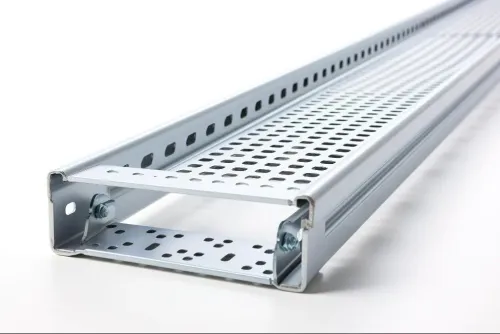
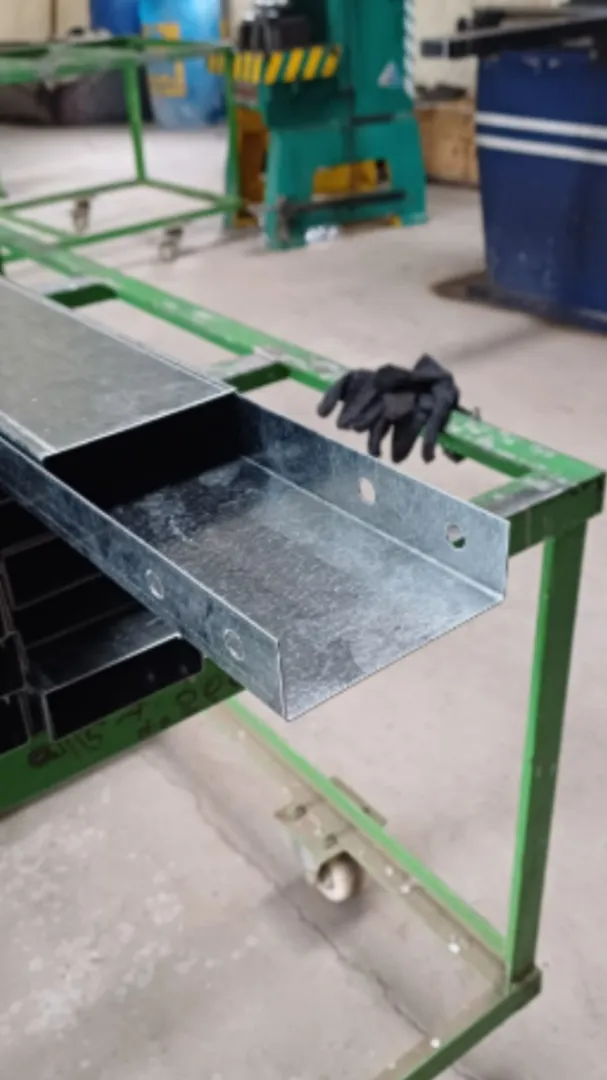
Manufacturing facilities depend on electrical infrastructure that can change as production evolves. New machinery, automation equipment, control panels, sensors, utility systems, and production lines can all add cables to an existing plant.
Choosing a Cable Tray Manufacturer in Pimpri Chinchwad therefore involves considering not only today's installation but also how manageable the cable network will remain as the facility develops.
Industrial Cable Routes Need Structure
Unplanned cable routing can make maintenance and future modifications unnecessarily complicated.
A properly designed cable tray system establishes defined pathways through production and utility areas. This can make cables easier to organise, inspect, identify, and access.
In a manufacturing environment, organised routing can be particularly useful around:
- Production machinery
- Electrical panels
- Utility areas
- Automation systems
- Process equipment
- Control rooms
- Maintenance corridors
- Warehouse services
The route should be planned in coordination with other mechanical, electrical, structural, and building services.
Consider Future Plant Modifications
Pimpri Chinchwad and the wider Pune industrial belt contain facilities that may undergo equipment additions and production changes over time.
Where the engineering design permits, planning appropriate future cable capacity can make later modifications easier.
This does not mean simply installing oversized trays. Cable loading, allowable fill, support requirements, and relevant standards still need to guide the design.
Route Complexity Should Be Assessed Early
Industrial cable routes often pass around structural columns, machinery, ducts, pipelines, and other services.
As a result, the project may require more than standard straight tray sections.
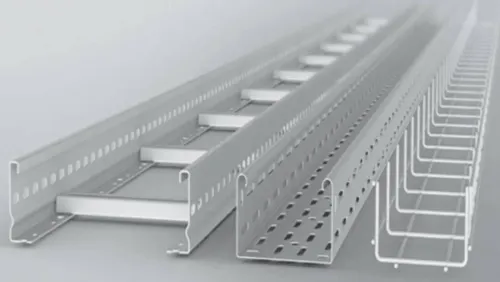
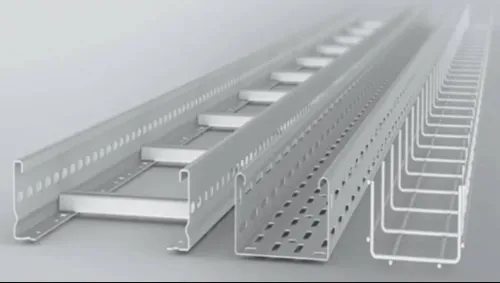
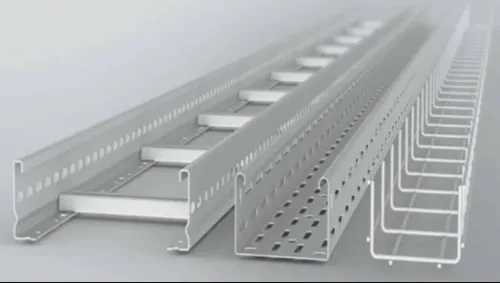
Accurate planning of bends, tees, reducers, vertical transitions, couplers, and covers can prevent installation teams from having to improvise on site.
Manufacturer Selection Should Follow the Specification
Before approaching a manufacturer, project teams should consolidate the basic requirement.
Important information includes tray type, dimensions, material, finish, quantity, accessories, installation environment, and required delivery schedule.
Electrotech Industries supports cable tray manufacturing requirements for industrial projects in the Pune region, including the Pimpri Chinchwad manufacturing belt.
A useful supplier discussion should focus on whether the stated project specifications can be understood and manufactured consistently, how accessories will be coordinated, and how material requirements align with the installation schedule.
For manufacturing plants, cable trays are not simply supporting hardware. They form part of the infrastructure that helps electrical systems remain organised as equipment and production requirements evolve.
Keywords